Here's Why Your Cat Always Wants To Be in the Middle of Everything You Do

Living with a cat has its pros and cons, and some cat behaviors fall somewhere in the middle. One moment it can be great, and another it can be annoying.
For example, you may sit at your desk and settle in to work one morning and within a few seconds of starting your cat jumps up and sits right on top of your keyboard. You can’t focus anymore, and they absolutely don’t want to move. Meanwhile at other times, you likely want your cat to be close to you while you work (though not exactly on top of your keyboard) because you enjoy their attention.
🐶SIGN UP to get “pawsitivity” delivered right to your inbox with inspiring & entertaining stories about our furry & feathered friends🐾🐾
If you live with a cat, you have to accept that being close to you is part of the deal. But why are cats like this? Why do they always want to be in the middle of what you’re doing—sometimes even literally? Wired to be aware of their surroundings and the people around them, cats notice when you’re focused, stressed or when something around you changes.
To understand their behavior, we spoke with three cat experts to learn more about why cats always seem to show up and suddenly want to be part of anything you’re doing. Here’s what they had to say about this curious cat behavior.
6 Reasons Your Cat Always Wants to Be in the Middle of What You’re Doing
Here’s what three experts had to say about why cats act this way.
1. They genuinely love being around you.
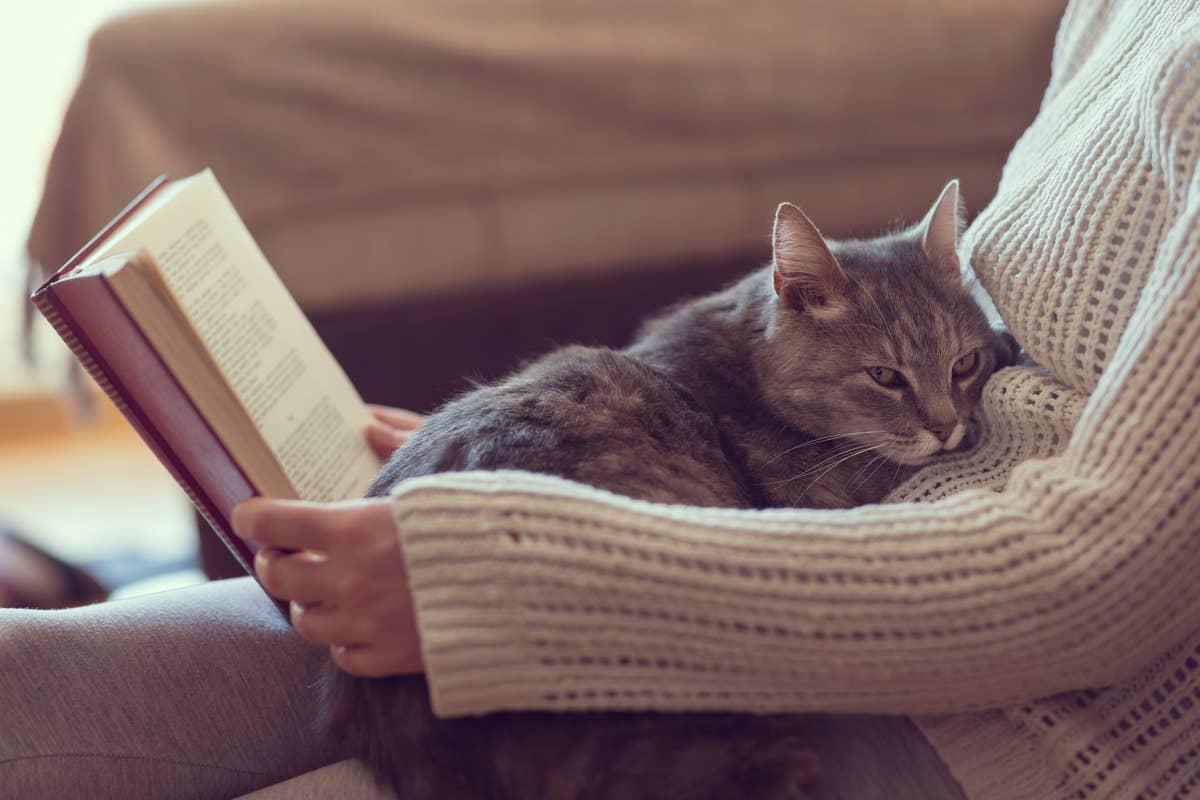
Image via Shutterstock/ Impact Photography
The simplest explanation is sometimes the right one. Your cat follows you around because they enjoy your company.
“Cats form strong social bonds with their humans and often enjoy simply being near them,” says Shani Campbell, a certified feline training and behavior specialist at Wild at Heart. It doesn’t always look the way we expect it either. While dogs tend to show affection in obvious and physical ways, cats have subtler methods of showing affection. This means that yes, your cat sitting on your papers while you try to work is one way they show their affection for you.
Related: How To Stop Owls From Targeting Small Pets on October Nights, According to an Expert
Dr. Colleen Lambo, DVM, a relief veterinarian with Roo, notes that cats can be more affectionate than people assume. “If your cat follows you from room to room, seeks you out, rubs against you or comes over when you sit down, it may simply enjoy spending time with you,” she says. “Cats have very different personalities, but that doesn’t make their affection any less genuine.”
Some cats love to be touched, while others are fine sharing the same room with you. Both are forms of attachment.
2. They’re naturally curious.
Images via Shutterstock/Brea Persing
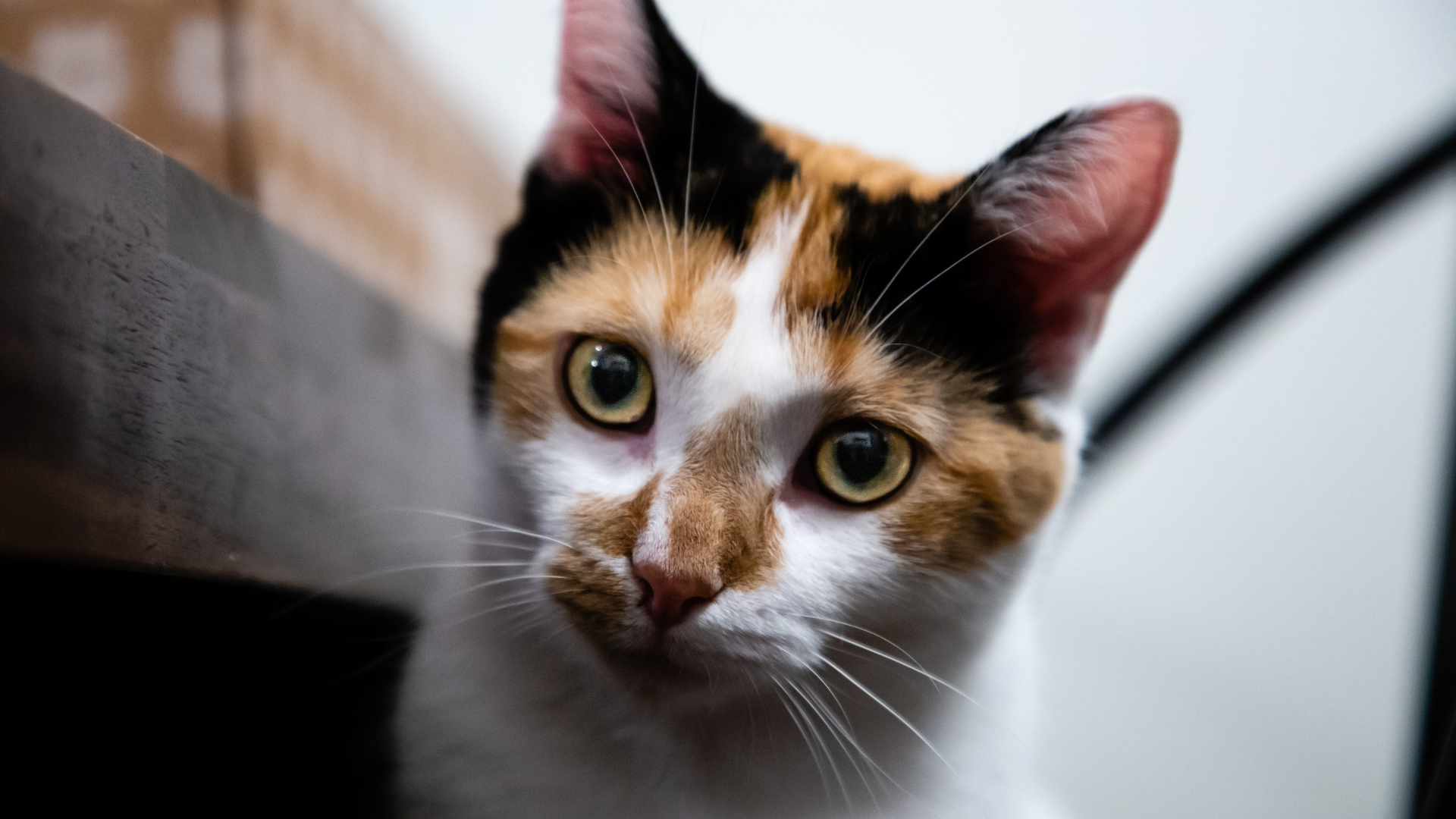
Cats notice every change in their environment. If something moves, makes noise or holds your attention, they want to know what it is. As natural investigators, they’re curious to know why something matters to you more than to them.
“Cats are inquisitive animals who want to investigate what’s happening in their environment,” Campbell says. “This is especially true when you are doing something that involves your hands, a screen or any object the cat has not fully cataloged yet.”
Sylvie Sterling, a certified cat behaviorist and the founder of Feline Soul Academy, has a simpler explanation. “Cats are naturally curious, and they love to stick their noses into our business,” she says. “Let them ‘help’ you and get involved in what you are doing. Think of it as quality time spent together.”
3. You’re in their territory.
Kelly Magnuson / Shutterstock.com
We often say our home is our space, but cats disagree with that statement.
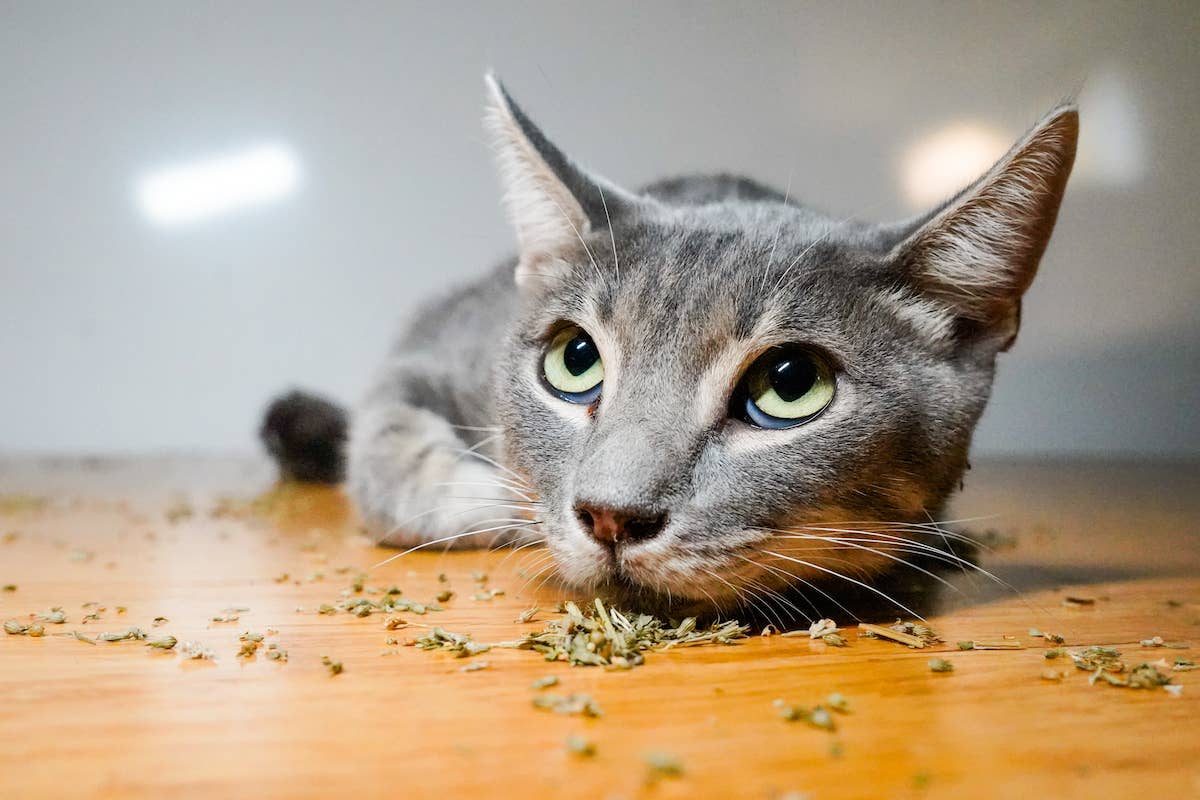
“Cats are territorial animals, and your activities are taking place in a space they consider their own,” Campbell says.
For example, when you set up your kitchen table or spread papers across the couch, you’re using space that your cat has already claimed. From their perspective, they’re not interrupting you. They’re simply checking what’s happening in their territory.
So, if you feel your cat is being deliberately disruptive, it might be time to change your point of view. Your cat isn’t trying to sabotage your work. They’re doing what every territorial animal does: monitor the activity in its range. You just happen to be part of that territory and activity.
4. They want you to notice them.
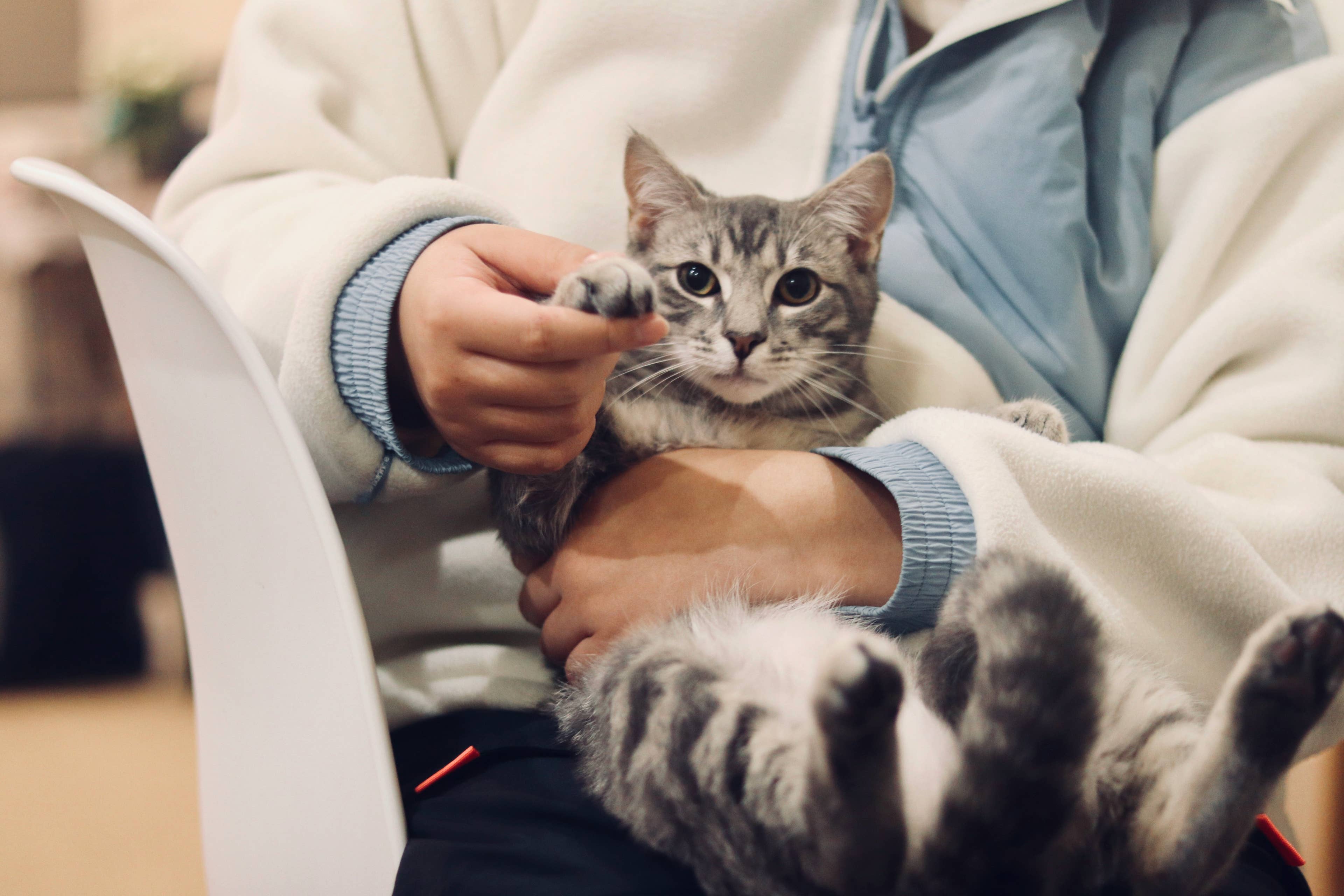
Photo by Werzk Luuuuuuu on Unsplash
In some cases, cats have zero interest in your laptop or what you’re doing. They simply want your attention. They want you to focus on them, not whatever else you’re doing.
“Your cat may be inviting you to pet them, play with them or simply acknowledge their presence,” Campbell says.
This behavior is more common during stretches where you have been focused on something for a while. For example, if you have been staring at a screen for 30 minutes, your cat may have some objections. They might be patient for the first 10 to 20 minutes, but you’re pushing their limits.
Sterling has a different explanation. “Cats are very much tuned into our moods and emotions, and they notice when we get stressed out or tensed over a project,” she says.
In their own way, your cat is coming to help you de-stress, Sterling explains. By getting in the middle of what you’re doing, they’re trying to distract you and get out of your head and into your heart.
5. They have learned that it works.
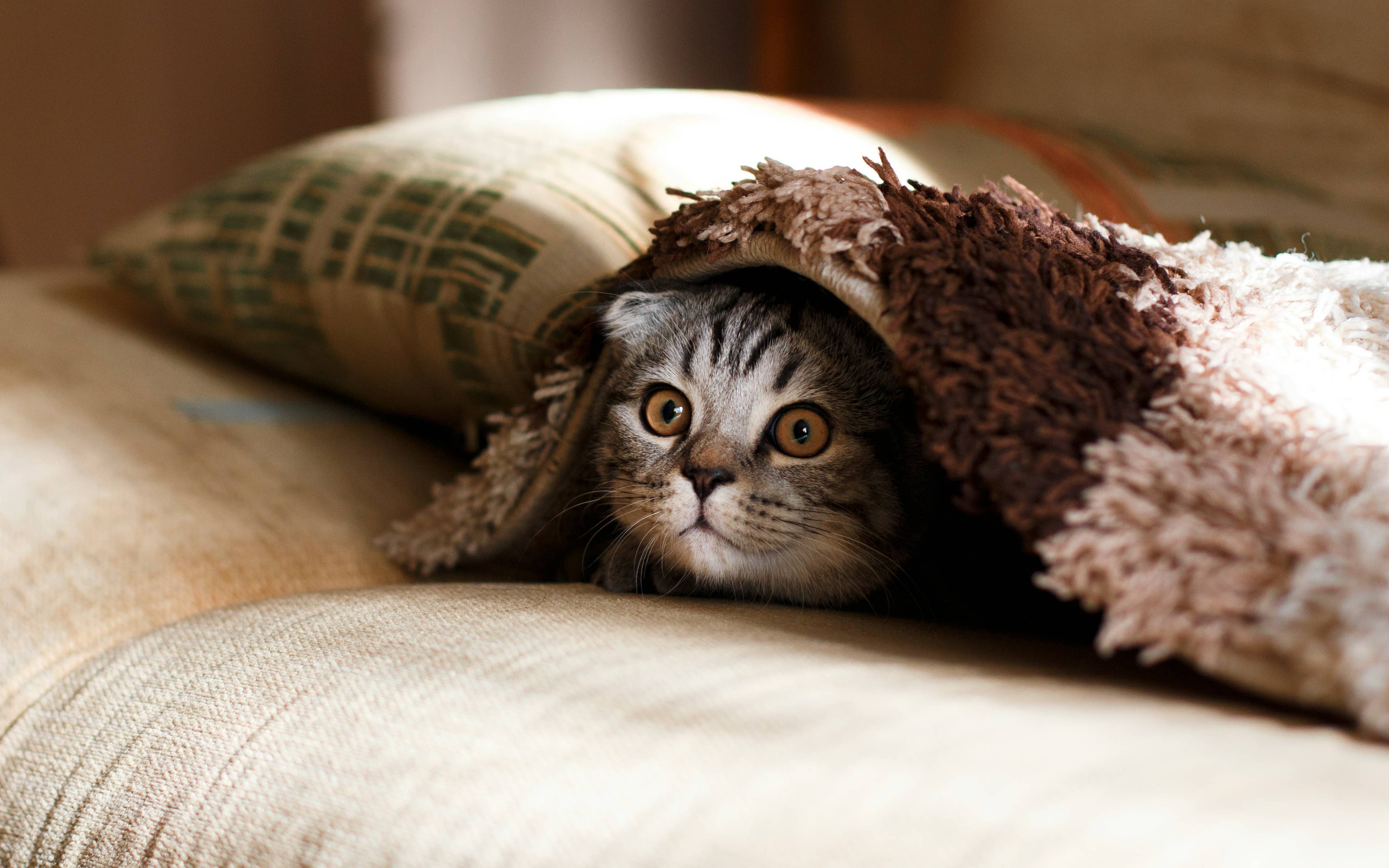
Photo by Mikhail Vasilyev on Unsplash
Cats, like dogs, learn by pattern and routine. If they jump on your keyboard and get your attention, they remember. The moment you stand up and play with them, they know that’s something that works and will use it again.
“Cats are excellent at learning patterns,” Campbell says. She says that if interrupting your activities earns them attention, they will repeat it.
Dr. Lambo puts it a different way you may know all too well. “If your cat wakes you up at 5 a.m. and you get out of bed to feed it, congratulations: you’ve been trained,” she says.
Remember that this type of behavior isn’t manipulation, and your cat isn’t scheming against you. They’re simply doing what works. The fix is not to punish your cat. The better idea is to change what their behavior produces. Try to ignore the keyboard walk and then initiate play five minutes later. That will give your cat a new pattern to learn.
6. They want to be part of your routine.
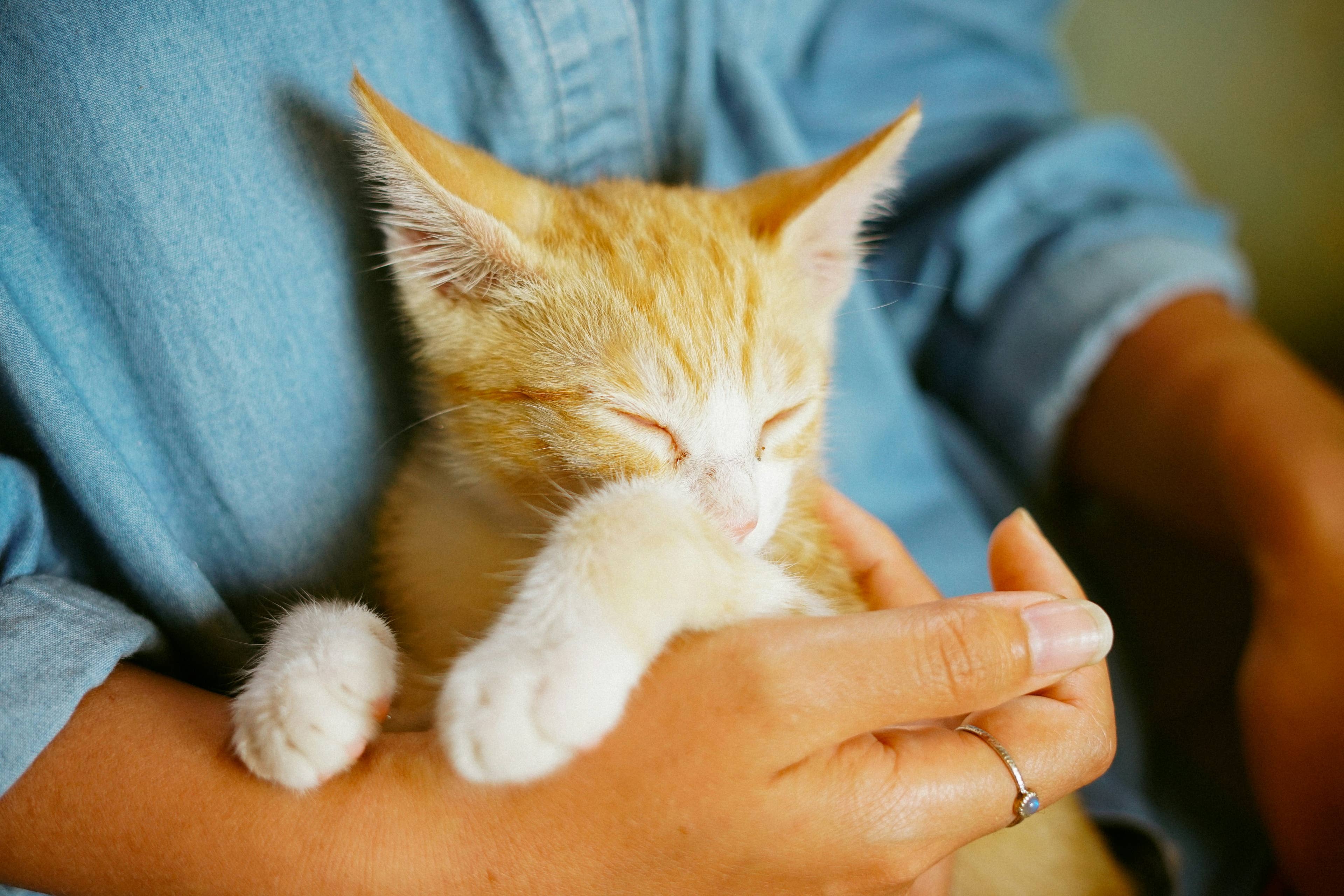
Photo by Manki Kim on Unsplash
Cats are creatures of habit, and they learn your routine too. They notice when you wake up, eat, sit down or start winding down for the night. They want to be part of your routine too, so they weave themselves into it.
“Cats thrive on predictability and often become interested in the daily activities and habits of their humans,” Campbell says.
Sterling goes a step further, saying cats are not only observing routines, they’re participating in them. “Cats live closely with us and want to actively participate in our lives, so they’ll be where we are to be a part of what we are doing,” she says.
So, if your cat wants to be involved in everything you do or looks for affection and stimulation, let them. They may be trying to tell you something you don’t want to miss.
Sources:
Dr. Colleen Lambo, DVM, is a relief veterinarian with Roo.
Shani Campbell is a certified feline training and behavior specialist at Wild at Heart.
Sylvie Sterling is a certified cat behaviorist and the founder of Feline Soul Academy.
Related: Can Dogs and Cats See Ghosts? An Animal Medium Weighs In
This story was originally published by PetHelpful on Nov 27, 2026, where it first appeared in the Cats section. Add PetHelpful as a Preferred Source by clicking here.
Source: Nature
